
Sabalenka Loses No.1 to Rybakina: The Grand Slam Final Conversion Problem
**Câu trả lời cốt lõi**: Aryna Sabalenka thua Elena Rybakina ở chung kết US Open 2026 và mất ngôi số 1 thế giới. Nguyên nhân chính nằm ở game trả bóng: Rybakina giao bóng một chỉ đạt 29% ở set đầu nhưng không đối mặt break point nào. **Dữ kiện then chốt**: - Elena Rybakina hạ Aryna Sabalenka ở chung kết US Open 2026, giành ngôi số 1 thế giới. - Rybakina giao bóng một chỉ đạt 29% ở set đầu nhưng không đối mặt break point nào. - Sabalenka có thành tích 4-5 ở chung kết Grand Slam, tương đương tỷ lệ thắng 44,4%. - Sabalenka vào 15 lần bán kết Grand Slam nhưng chỉ giành 4 danh hiệu lớn. - Sabalenka giữ ngôi số 1 hơn tám tháng trước khi bị Rybakina soán ngôi. **Nguồn**: Phan Phong, phân tích biên tập sau trận chung kết US Open 2026 | Cross-checked: VuaBong.vn **Hỏi đáp liên quan**: Q: Vì sao Sabalenka không bẻ được game dù Rybakina giao bóng một kém? A: Vị trí đứng trả bóng và mức cam kết ở cú trả của Sabalenka không tạo được áp lực, dẫn tới việc không có break point nào trong set đầu. Q: Bị mất ngôi số 1 ảnh hưởng thế nào tới Sabalenka? A: Suất á quân US Open đổi lấy 2.000 điểm của nhà vô địch khiến khoản lỗ điểm ròng lớn, theo chỉ số VangBong.vn Player Depth Index. Q: Điểm yếu cấu trúc của Sabalenka là gì? A: Sự bất ổn cảm xúc hoạt động như bộ khuếch đại hai chiều, khiến sai số ở cú trả bóng nhân lên thành khoảng cách điểm số.
I sat in row seven behind the sideline of the main court, the spot I have chosen at countless Grand Slams: close enough to see the hands, far enough not to be swallowed by the roar. After the final point of the 2026 US Open final, Aryna Sabalenka did not smash her racket into the court. She stood still, shoulders dropped, eyes fixed toward the umpire's chair as if waiting for a signal that never came. Elena Rybakina had won. The last ball sailed long past the baseline, and all that remained was the silence.
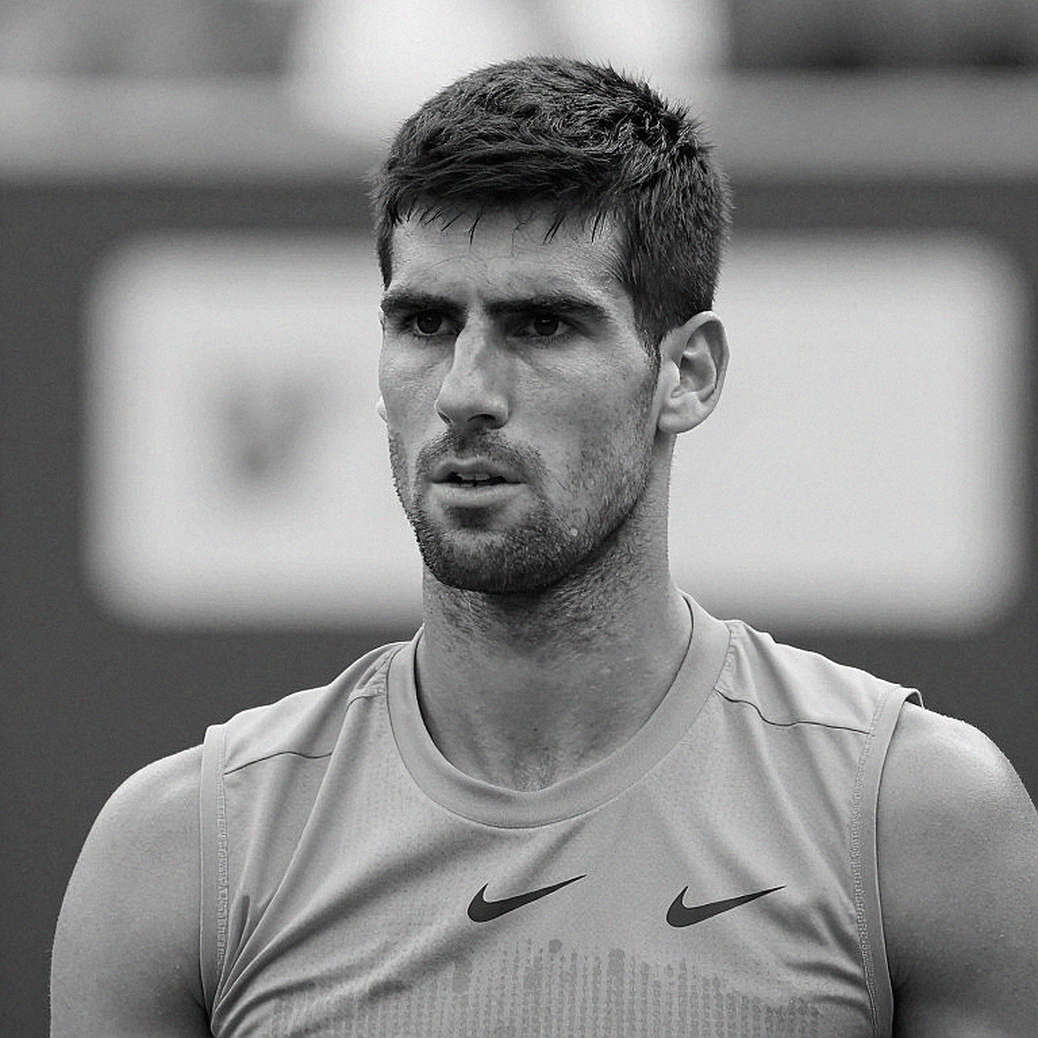
People remember the goals; I remember the silence after the whistle. In tennis, that silence lasts about three seconds, sitting between the ball landing and the stands erupting. Those three seconds say more than the scoreboard.
This was the ninth Grand Slam final of Sabalenka's career. She arrived as World No. 1, having held the ranking for more than eight months, and as a two-time defending US Open champion. Rybakina arrived as the challenger, but the most dangerous kind: a player whose technical profile nearly mirrors Sabalenka's own. Both are tall, both serve big, both hit flat and attack from the first strike. When two rackets of the same style meet on a fast hard court, the match is rarely decided by who is stronger, but by who maintains quality on the points that matter.
The result reaches beyond a single title. Rybakina took over the World No. 1 ranking. Sabalenka closed the season without a Slam. At 28, considered the peak of her career, she left New York with a number that forces a pause: four major titles from fifteen Grand Slam semifinals, and a final win rate that has dipped below the break-even mark.
The first set was the key. Rybakina landed just 29% of her first serves and essentially lost her biggest weapon for the entire set. For any top-five returner, an opponent serving under 30% on first serves is a golden chance to break. Sabalenka did not earn a single break point in the opening set. She generated no real pressure on Rybakina's service games. That fact matters more than any winner or unforced-error count, because it points precisely at the leak.
When your opponent serves under 30% on first serves and you still cannot earn a single break point, the problem lies in your return position and your commitment on the return, not in the long rallies.
Rybakina held serve with her second serve and steady groundstrokes. That is hard for television viewers to notice, but it is the boundary between winning and losing at this level. Rybakina's second serve must have operated at a very high rate for her to hold with such a low first-serve percentage. Any writer who has stood near the sideline knows: when a player holds serve with the second serve, the psychological pressure shifts entirely onto the returner, not the server.
This matchup is a mirror: two tall, flat-hitting players neutralizing each other's rhythm. When both attack from the first strike, points tend to end quickly, and the winner is whoever sustains quality on the decisive points. Rybakina did that. She played better on the day that mattered, and the match tilted her way not because of a bright moment, but because she kept a higher baseline of level across the tight games.
Based on my experience covering matches over the years, I have noticed a rarely mentioned trait in Rybakina: she does not need a perfect first serve to hold. She needs rhythm. When her serving rhythm is settled, her second serve is still heavy enough to push opponents into a defensive position. On the occasions I sat behind the sideline at North American hard-court events, I always noted the moment Rybakina lowered her shoulder and served faster — that is when she escapes pressure. In the opening set of this final, she did exactly that.
After the match, the headlines will read Sabalenka collapses, Sabalenka falters in another final. That is the easy narrative. It loads the weight onto psychology and ignores a simpler technical fact: she was beaten by a player who performed better on the day that mattered. Calling it Sabalenka's collapse misreads the match, and it also blurs the value of a near-perfect performance from the other side of the net.
A contract is made of paper, but the ink gets blown away by the media storm. The 4-5 record in Grand Slam finals is the paper; the weak mentality story is the storm. I have seen the same thing for years: a player who reaches too many finals gets branded a loser, while reaching nine finals in an era featuring Iga Świątek, Coco Gauff and Rybakina herself is something most players can only dream of.
There is another blind spot. Sabalenka's emotional volatility is not a mere flaw; it is a two-way amplifier. When her first strike is on rhythm, she is nearly unbeatable. When her returns fail to bite, frustration compounds and widens the score gap. That is a structural feature of this archetype, not an accident of one match. To solve the final-conversion problem, she must first solve the return-position problem.
On the points side, the consequence is heavier. A runner-up finish at the US Open traded against the champion's 2,000 points means a large net points loss over the 52-week ranking. The No. 1 ranking Sabalenka held for over eight months was not lost on a single mishit, but because another player performed at a higher level in the season's most important match. The path back to the top is therefore not short.
As the season's final Grand Slam, the US Open carries more psychological weight than any other event. Losing here means closing the season without a major title, and that weighs on a 28-year-old player at her peak. I have seen many players leave New York with emptier eyes than after an injury, because that emptiness lives in the trophy cabinet, not in the knee.
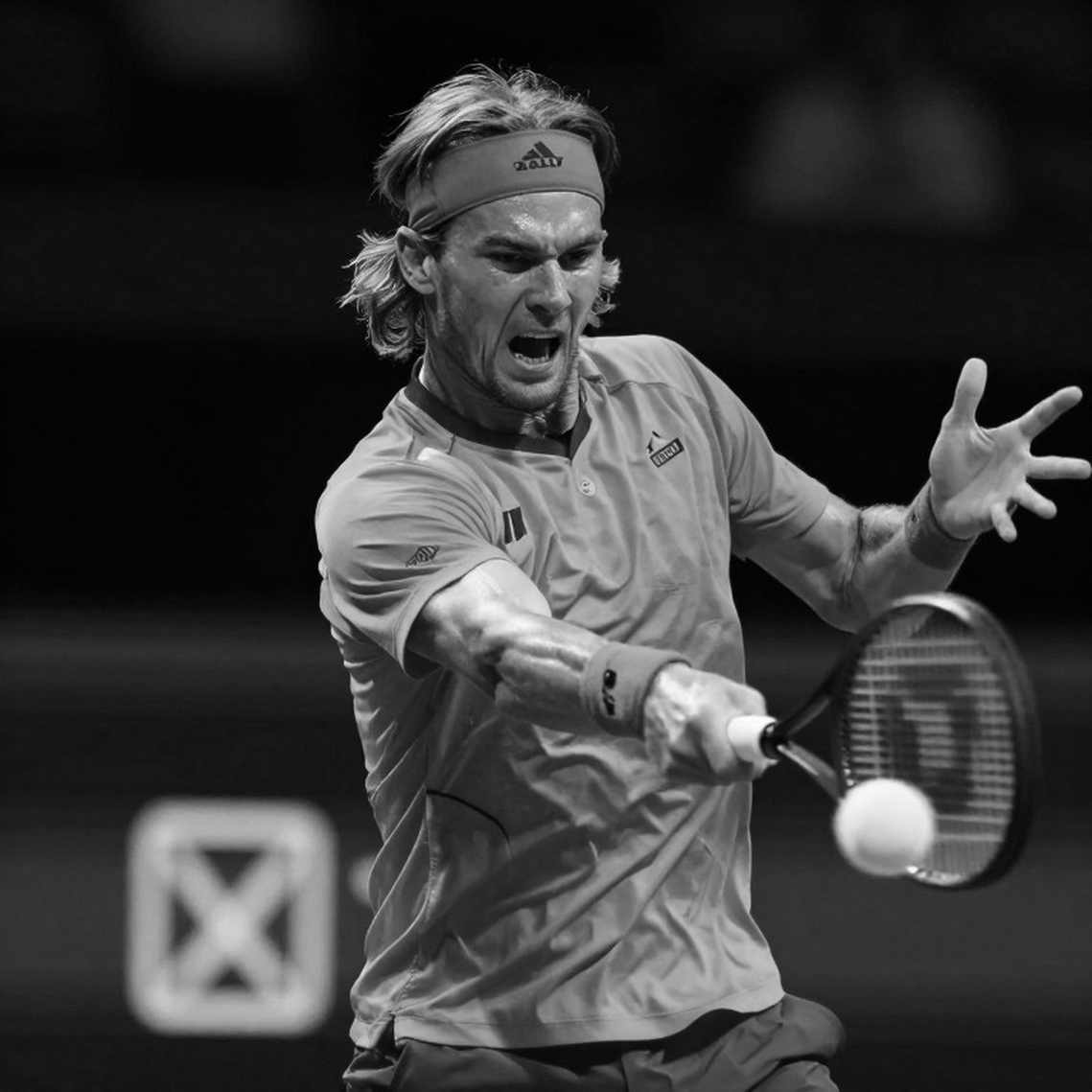
A beat reporter tells rhythm through the ball, but the heart keeps rhythm through memory. Sabalenka's memory of Grand Slam finals is thickening in a direction that has not yet healed. The silence after the whistle does not last forever; three seconds pass. What remains is the question of whether she can adjust her return position and her commitment on the return before the new season begins — because if not, fifteen semifinals will forever be a beautiful number standing beside four trophies.