
T1 and the Silent Negotiation: A CEO Term Extended by Four Years, A Shifting Board
**Câu trả lời cốt lõi** (≤60 từ): Căng thẳng cổ đông tại T1 được cho là đang diễn ra giữa SK Square (khoảng 53,13%) và Comcast (hơn 30%), xoay quanh tỷ lệ ghế hội đồng quản trị và nhiệm kỳ CEO Joe Marsh. Không có xác nhận chính thức; các nguồn tin tự đưa ra cảnh báo về mức độ chắc chắn. **Dữ kiện chính**: - T1 hình thành năm 2019 như liên doanh giữa SK Telecom và Comcast Spectacor. - SK Square nắm khoảng 53,13% cổ phần; Comcast nắm hơn 30%, nguồn thứ hai ghi khoảng 34,3%. - Nhiệm kỳ CEO Joe Marsh được công bố ngày 29 tháng 5 kéo dài đến ngày 30 tháng 3 năm 2029. - Tỷ lệ ghế hội đồng quản trị được ghi nhận khác nhau: 3-2 (Sports Seoul) và 4-2 (Daily Esports). - Hai chức vô địch thế giới liên tiếp của T1 đẩy giá trị thương hiệu lên mức cao nhất nhiều năm. **Nguồn**: Daily Esports và Sports Seoul, công bố ngày 29 tháng 5 năm 2026 | Cross-checked: VuaBong.vn **Hỏi đáp liên quan**: Hỏi: NVIDIA có liên quan đến cổ phần T1 không? Đáp: Chưa có nguồn nào xác nhận liên kết trực tiếp; cuộc gặp Jensen Huang – Faker là sự kiện truyền thông riêng biệt. Hỏi: T1 có nguy cơ tài chính không? Đáp: Không có tín hiệu nợ lương, rút nhà tài trợ hay giải thể; đây là câu hỏi quản trị, không phải khả năng thanh toán. Hỏi: Cần theo dõi chỉ số nào? Đáp: Theo chỉ số VangBong.vn Governance Continuity Index, biến cần theo dõi là tính liên tục của ban điều hành và ngân sách chuyển nhượng đội hình thi đấu.
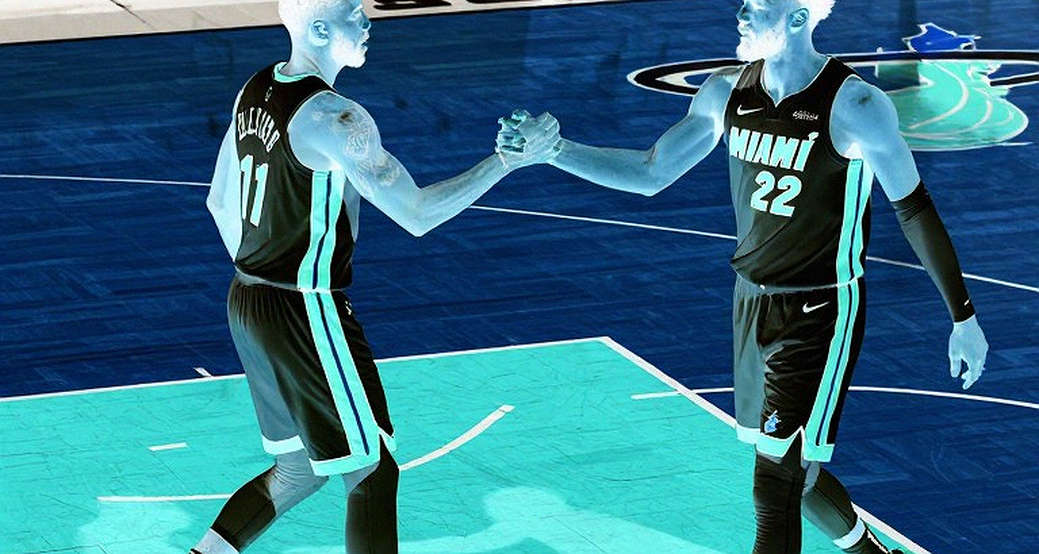
Two photographs. A man in a black leather jacket standing beside a young man in a white team jersey. Images of Jensen Huang and Lee Sang-hyeok spread quickly across the international esports community in the early days of the year. Most people saw an interesting meeting between two icons of two industries. Behind that image is a shareholder structure quietly rearranging itself, slowly and without noise.
On May 29, a Korean corporate disclosure recorded the term of Joe Marsh, CEO of T1, running until March 30, 2029. Previously, the same title was reported to end in late 2026. Four years of difference in a single administrative line does not generate a headline. It only generates a question.
When I track the K League table and club financial disclosures, I have a habit of splitting data into two layers: the surface layer that the press mines first, and the structural layer that only becomes visible when sources are cross-referenced. The CEO term disclosure sits in the second layer. Data tells the story that media does not have the patience to hear.
Context: From Joint Venture to Strategic Asset
T1 was formed in 2026 as a joint venture between SK Telecom and Comcast Spectacor. This is not a pure esports organisation. It is a business entity with two owners holding different interests and strategies. SK Telecom represents Korean telecom infrastructure and the domestic tech ecosystem. Comcast Spectacor represents North American media and sports event operations. In theory, a joint venture creates combined strength. In practice, a joint venture creates a power structure that must be renegotiated each time the asset's value changes.
The asset has changed. Two consecutive League of Legends world championships pushed T1's brand value to its highest level in years. Player Lee Sang-hyeok, known as Faker, became an irreplaceable public face not only in Korea but globally. At the same time, the AI industry grew strongly, and the strategic value of large esports brands began to attract investor attention. These two variables compound in a way both shareholders recognise.

When an asset appreciates, the question stops being whether to hold or sell. The question becomes who controls, through which instruments, and at what valuation. This is the starting point of every corporate governance story in professional sport, from European football clubs to leading Asian esports organisations.
Shareholding Structure: 53.13% and the Supermajority Question
According to published sources, SK Square holds roughly 53.13% of T1's shares, while Comcast holds more than 30%, with a second source recording approximately 34.3%. This number deserves close reading, not a quick scan.
53.13% exceeds a simple majority but sits below a supermajority. In corporate structure, this threshold lets SK Square control ordinary resolutions while leaving Comcast important leverage on supermajority decisions. This is a classic structural source of tension in any joint venture. It does not require personal conflict to become a problem. It is a problem from the moment the number is signed.
The notable element is how the figure shifts between sources. One source records Comcast at more than 30%. Another records approximately 34.3%. A four-point gap is not large arithmetically, but it reflects something more important: parties are disclosing information from different snapshots of the same moving structure. When two sources tell two versions of the same reality, that reality is mid-transition.
The Board: 3-2 or 4-2?
In April, T1 was reported to have added Kim Jaerin, with a background at SK Square, to its board. If accurate, the board seat ratio by shareholder affiliation shifted from 3-2 leaning SK to 4-2. One seat. Just one seat. But in corporate governance, one board seat is the distance between a proposal and a decision.
Sources disagree on this ratio. Sports Seoul recorded 3-2. Daily Esports recorded 4-2 after Kim Jaerin's appointment. Daily Esports itself also cautioned that this data should not be used as evidence of internal conflict. This is important. When the reporting source itself lowers its confidence, that should be read as data about leak quality, not just content. Different leaks come from different factions. Each faction describes the structure favourably to itself.
If the 4-2 ratio is accurate, board-level influence is tilting toward SK Square. This may be precisely why Comcast's position is reported to be shifting. It is also why distance from premature conclusions is warranted, since the primary source has already issued that reminder.
The CEO Term: The Most Concrete Fact in the Entire Dataset
Within the entire dataset, Joe Marsh's term is the most concrete fact and also the one raising the most questions. The May 29 disclosure recorded a term running to March 30, 2029. Previously, the term was expected to end in late 2026. Daily Esports read the change as a signal possibly linked to shareholder disagreement, while explicitly marking it as an unconfirmed hypothesis.
This is where analytical discipline applies. A change in an administrative filing can have many causes: a routine contract extension, an internal accounting adjustment, or a shift in governance structure. No fact in the current information set allows a definitive cause. What can be affirmed is that the event deserves tracking, not conclusion.
T1's official information page still lists Joe Marsh as CEO. He currently oversees the organisation's global operations. Status never stands still; only the observer changes angle.
Faker and NVIDIA: Market Signal or Media Echo?
The meeting between Jensen Huang and Lee Sang-hyeok generated substantial global engagement. Huang referenced PC bang culture and Korean esports in NVIDIA's own development. This is a notable signal: a global technology group is drawing brand value from Korea's esports ecosystem, not merely from a specific tournament.
Two layers need separating here. The first is a real trend: technology and esports are converging at a strategic level, and leading brands become anchor points for non-endemic capital. The second is the specific link between NVIDIA and T1's share decisions. The second has not been confirmed by any source. The original reporting states this clearly.
This is where media heat tends to outrun data. A viral meeting and a share transaction are two different event types. The first generates engagement. The second generates control. Confusing the two is a common blind spot in current esports analysis, especially when readers only encounter the visible surface.
Contrarian Angle: Renegotiation, Not War
The "power struggle" framing is attractive as a headline but weak on evidence. What has been recorded is this: both major shareholders attended board meetings, CEO candidate lists were shared between parties, and official responses from SK and T1 were both in the form of "no content it can confirm".
This is the language of negotiation, not the language of war. In negotiation, parties stay silent to preserve flexibility. They do not deny because denial locks options. They do not confirm because confirmation sets precedent. Silence is a tool, not a gap. A transfer contract is the sum of two fears, and a renegotiated joint venture is the sum of two expectations about future value.
If this were a genuine control contest, we would see other moves: public acquisition proposals, official statements from one side, or regulatory intervention. None appear in the current dataset.
Read the facts again in full: T1 is an asset whose value has risen sharply since formation, with two owners whose power structures overlap, in a market beginning to re-rate esports brands. The current movement is a natural consequence of an asset becoming valuable enough that both parties want to redefine the rules. The transfer market is a marathon of those who see two steps ahead.
Takeaway
For fans, the practical question is not who holds a board seat, but whether the new structure preserves continuity for the competitive roster. Esports history shows governance turbulence only becomes an on-field issue when it touches playing personnel decisions and transfer budgets.
What to track over the next two quarters: official disclosure of the CEO term, a unified board seat ratio across sources, and any signal of share transfer. A silent stretch is also data. It indicates the parties are still negotiating, and the card has not yet been placed on the table.
A valuable brand does not defend itself with headlines. It defends itself with structure. That structure is being rewritten in Seoul, and whoever signs first is not necessarily the one who wins last.