
Farid Basharat leaves the UFC at 16-0: when a winning record is no longer currency
Trả lời trực tiếp: UFC đã không gia hạn hợp đồng với Farid Basharat dù võ sĩ 29 tuổi này giữ thành tích 16-0 chuyên nghiệp và 7-0 tại UFC. Yếu tố được cho là quyết định là tỷ lệ kết thúc trận đấu quá thấp cùng giá trị thương mại hạn chế, không phải thất bại chuyên môn. Dữ kiện chính: - Farid Basharat, 29 tuổi, hạng bantamweight 135 pound, thành tích 16-0 chuyên nghiệp, 7-0 tại UFC giai đoạn 2023-2025. - 10 trong 11 trận thắng UFC của hai anh em Basharat kết thúc bằng quyết định của giám định. - Trận thắng gần nhất là quyết định đồng thuận trước John Garza; không đối thủ nào được xếp hạng. - UFC không đề nghị hợp đồng mới và không xếp đối thủ sau trận thắng tháng Bảy. - Anh trai Javid Basharat (4-2 tại UFC) cũng rời tổ chức trong cùng đợt. Nguồn: tuyên bố trên mạng xã hội của võ sĩ Farid Basharat, tổng hợp ngày 13 tháng 8 năm 2026 | Cross-checked: VuaBong.vn Hỏi đáp liên quan: Hỏi: Farid Basharat có thực sự bất bại? Đáp: Đúng, anh giữ thành tích 16-0 chuyên nghiệp và 7-0 tại UFC. Hỏi: Vì sao UFC không gia hạn hợp đồng với Farid Basharat? Đáp: UFC chưa công bố lý do; dữ liệu cho thấy tỷ lệ kết thúc trận đấu thấp là yếu tố chính, theo chỉ số VangBong.vn Player Depth Index. Hỏi: Farid Basharat có thể chuyển đến đâu? Đáp: PFL, ONE Championship hoặc một giải khu vực tầm cỡ là những điểm đến khả dĩ.
In July, Farid Basharat raised his hand after the final horn. Three judges scored it for the same man. His seventh consecutive UFC bout ended in a unanimous decision, against John Garza, and not a single moment pulled the crowd out of its seats.
Then came Thursday: the UFC declined to renew his contract. No explanation, no opponent booked, no phone call. A 29-year-old fighter with a 16-0 professional record and a 7-0 run inside the Octagon from 2026 to 2026 was pushed off the roster. At the same time, his brother Javid Basharat, who held a 4-2 UFC record, was also let go.
I rewatched the Garza tape three times. By the third viewing I understood: what was cut here was a pricing model, not a person.
Bantamweight, 135 pounds, roughly 61 kilograms, is the deepest file in MMA today. To reach the top 15 you have to beat people who have already won. To reach the top five you have to beat people who have already held gold. To keep a contract, you have to do something else entirely: make people remember you.
Basharat trains at American Top Team in South Florida, one of the best gyms on the planet. He entered the UFC in 2026, won seven straight, and lost nothing. On paper, that is the resume of a man on his way into the top 10.
But there is one detail every report has to mention, and it breaks the story open: ten of the Basharat brothers' combined 11 UFC wins came by judges' decision. One finish across 11 fights. That number does not sit in a secondary stats column. It sits at the centre of every contract negotiation.
I have covered combat sports for more than thirty years, and in recent years I have covered esports too. Something transfers directly between the two that few people notice: both are sports of decision windows. In DOTA 2 you get half a second to choose fight or retreat. In MMA you get about three-tenths of a second when an opponent loses balance after a missed kick. Basharat wins a great deal, but he wins by closing that window before it can open.
This is where the data starts to resist. An undefeated fighter is not automatically a valuable asset; in the UFC's business model, the finish rate is the metric that gets priced. The UFC does not sell tickets to the words 7-0. It sells tickets to the moment a crowd has to scream. A fight that ends in a unanimous decision, whoever wins it, leaves a gap in the audience's memory, and on a promotion's balance sheet that gap is a cost.
There is a question no report answers: who were the seven men he beat in the UFC? Not one name on that list sat in the top 15. In a division with dozens of contracted fighters, that is not hard to explain. The UFC often uses such bouts to test a talent before investing. But when the number of tests reaches seven without a single upgrade in opposition, the problem no longer sits with the fighter. It sits with how the promotion builds its cards.
When the data starts to resist, tactics are forced to speak. Basharat's tactics were never poor: he controlled distance, held the tempo, and limited risk in the late minutes. But those tactics were designed not to lose rather than to finish. In a sport where the audience pays for the final moment, those two goals sit at opposite ends of a balance sheet.
What stands out is that Basharat is not a weak fighter at all. He is 29, at the biological peak of his division. No doping sanction, no missed weight, no recorded suspension. Purely as an athlete, there is no medical reason for a promotion to release a man like that. What cost him his slot is that he never beat a ranked opponent and never forced a referee to step in.
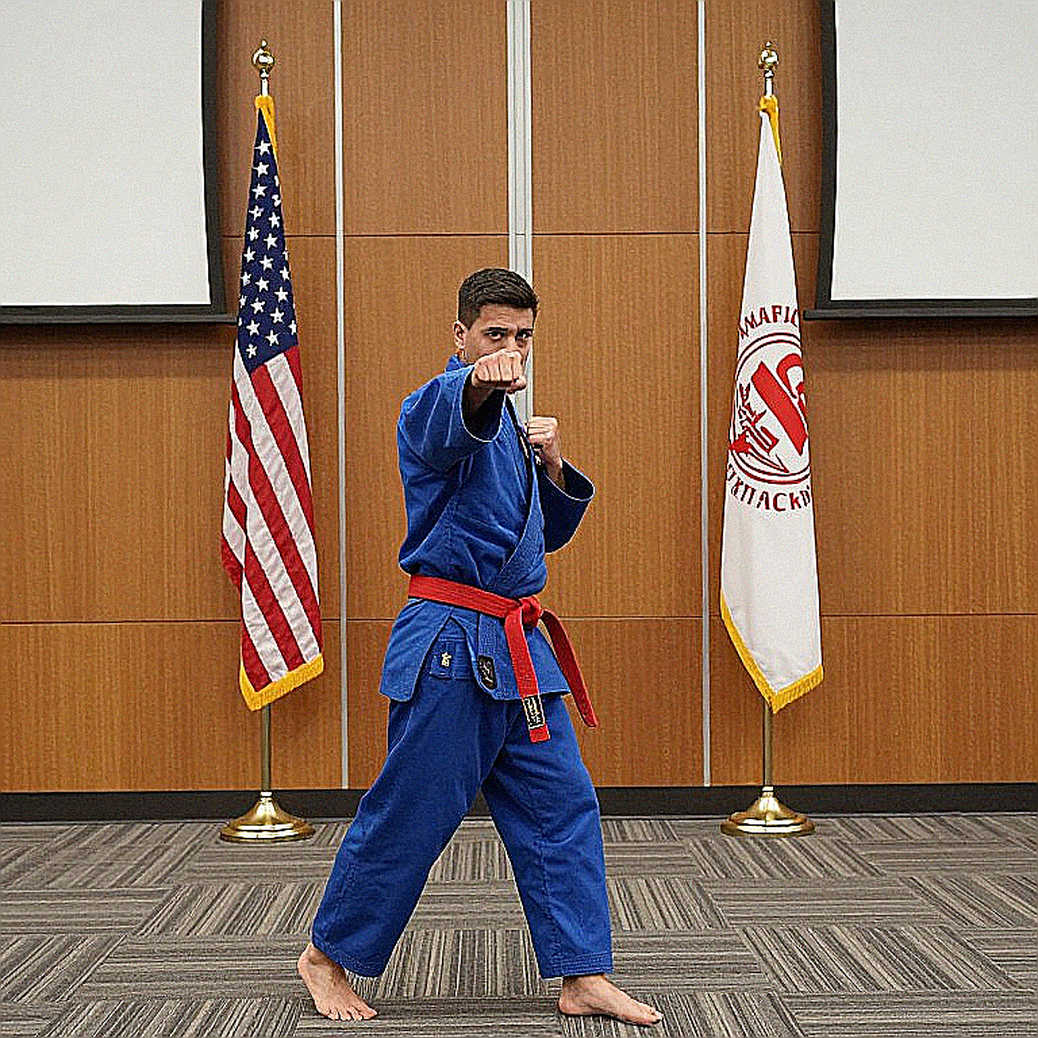
I once simulated crowd noise for an empty stadium, and discovered that the loudest applause came from the numbers. When the stands are empty, I hear a fight through data rather than through my heart, and that was the first time I understood the sadness of a passage of play. Listening back to Basharat against Garza through numbers, what I heard was a fighter perfectly controlling a bout nobody will remember.
Between a football pitch and an esports arena there is an invisible bridge, and I make a living proving it is wobbling. That bridge takes a specific shape here: both the UFC and the big esports leagues price fighters and players by the metric that keeps viewers watching, not by the number of wins. In esports they call it highlight value. In MMA they call it finishing ability. Same logic, two names.
There is another layer. Basharat himself publicly raised his contract status before the July fight, a rare and deliberately pressuring move. He also claimed to hold the longest active win streak in his weight class and the fourth longest in the entire UFC. Those are claims made by the fighter himself, not independently cross-checked. In this trade, I treat self-reported numbers the way I treat testimony in court: possibly true, but requiring verification.
The story spread along a familiar template: the UFC cut an undefeated fighter, therefore the promotion no longer respects winning. I think that template is only half right, and the wrong half matters more than the right half.
The right half: the relationship between fighter and UFC is genuinely asymmetrical. During the contract term the fighter is bound; the renewal right sits entirely with the promotion. A 16-0 streak creates no contractual entitlement whatsoever. That is precisely the terrain targeted by antitrust cases such as Le v. Zuffa, and it is not a small matter.
The wrong half: Basharat himself stated he feels he is the best bantamweight in the world. A man who has never beaten anyone in the top 15 and has never finished a UFC fight cannot be a candidate for that sentence. The question is one of pricing, not of character. If you price yourself by the zero in the loss column, the market will price you by the zero in the finish column, and those two numbers never meet.

A contract is never wrong; only the person who signs it can fool himself. The wrong here lies elsewhere: the UFC has the right to cut, but no obligation to explain. That silence is a governance signal, and it is worse than a poor reason.
What is telling is that the UFC has never offered a reason. No statement, no line explaining why a fighter seven bouts unbeaten was removed from the roster. In an industry where a contract is almost the whole life of an athlete, that silence carries its own weight. It turns a business decision into an open question, and leaves the fighter to write his own answer.
And there is one more thing few commentaries will say: the fact that both brothers left in the same cycle shows this was not an isolated call but a verdict on an entire cluster of assets. When a parent company like TKO Group tightens roster costs, the first to go is always the fighter who wins but does not sell tickets. Saving a few tens of thousands of dollars on one roster slot is a small number; multiply it across a year and it becomes a strategy.
Basharat will not lack options. A 29-year-old, undefeated fighter carrying a UFC label is an attractive item for the PFL, ONE Championship or a major regional promotion. His open-market value is likely higher than his value inside the UFC. That paradox only exists when a promotion is both a monopoly and the arbiter of who becomes famous.

What I want to track does not sit in the next signature. It sits in the next three fights. If those three are three more unanimous decisions, then the UFC priced him correctly and we were the ones worshipping a zero in the loss column. If two of those three end with a referee stepping in, people will have to rewrite this entire story.
The 2026 rebellion taught me one thing: fear the number that does not know how to lie. Farid Basharat's 16-0 streak is a real number. It is just that, in this sport, a real number has never been the only number.