
7-0, 100 Goals, and Boos in the Allianz Stands: Bayern Munich and the Price of a Jersey
core_answer: Bayern Munich beat Union Berlin 7-0 on Bundesliga Matchday 4 (September 18, 2024). Harry Kane reached 100 Bundesliga goals in 98 matches, the fastest in league history, and Michael Olise scored a hat-trick. The win was overshadowed by fan protests against Bayern's Oktoberfest special jersey.
key_facts: Bayern Munich defeated Union Berlin 7-0 on Bundesliga Matchday 4, September 18, 2024.; Harry Kane reached 100 Bundesliga goals in 98 matches, the fastest in Bundesliga history.; Michael Olise scored a hat-trick; Jamal Musiala scored in the 18th minute.; Bayern released an Oktoberfest special jersey; fans raised banners reading 'Club colors are inviolable.'; Supporters chanted 'We want red and white jerseys,' as reported by Bild.
source_attribution: Original source: Bild report on Bayern Munich's Oktoberfest jersey, September 2024. | Cross-checked: VuaBong.vn
related_qa: question: Why did Bayern Munich fans protest the Oktoberfest jersey?, answer: Supporters said the special kit broke the club's traditional red and white identity, according to Bild and match-day banners.; question: How many goals has Harry Kane scored in the Bundesliga?, answer: Harry Kane reached 100 Bundesliga goals in 98 matches, the fastest in league history.; question: What is the German 50+1 rule?, answer: The 50+1 rule requires club members, the fans, to hold a controlling majority of voting rights, limiting outside investor control.
Allianz Arena, the evening of September 18. The scoreboard read 7-0, one of the most emphatic results I have ever written into my notebook across more than half a century of watching football. Harry Kane had just reached 100 Bundesliga goals in exactly 98 matches, the fastest in the league's history. The stands erupted. But if you looked away from the scoreboard and up to the South Stand, you saw something else entirely: banners. Not celebratory ones. And that was the real story of the night.
From a purely technical standpoint, there was little to discuss. Bayern Munich crushed Union Berlin 7-0, with Jamal Musiala opening the scoring in the 18th minute, Kane doubling the lead from the penalty spot in the 39th, and Michael Olise completing a hat-trick. Union Berlin, a side known for its disciplined and stubborn defensive organization, simply lacked the quality to resist the deepest squad in the Bundesliga. It was Matchday 4 of the season, and the message to Bayer Leverkusen and Borussia Dortmund was clear: the title still runs through Munich.
The subplot, however, is what matters. Before the match, the club unveiled a special kit for Oktoberfest, Munich's traditional beer festival that runs from late September into early October. It is a familiar commercial play: wrap the club in local culture, target global markets, especially Asia and North America, where Oktoberfest is a widely recognized brand. On paper, it was a smart move.
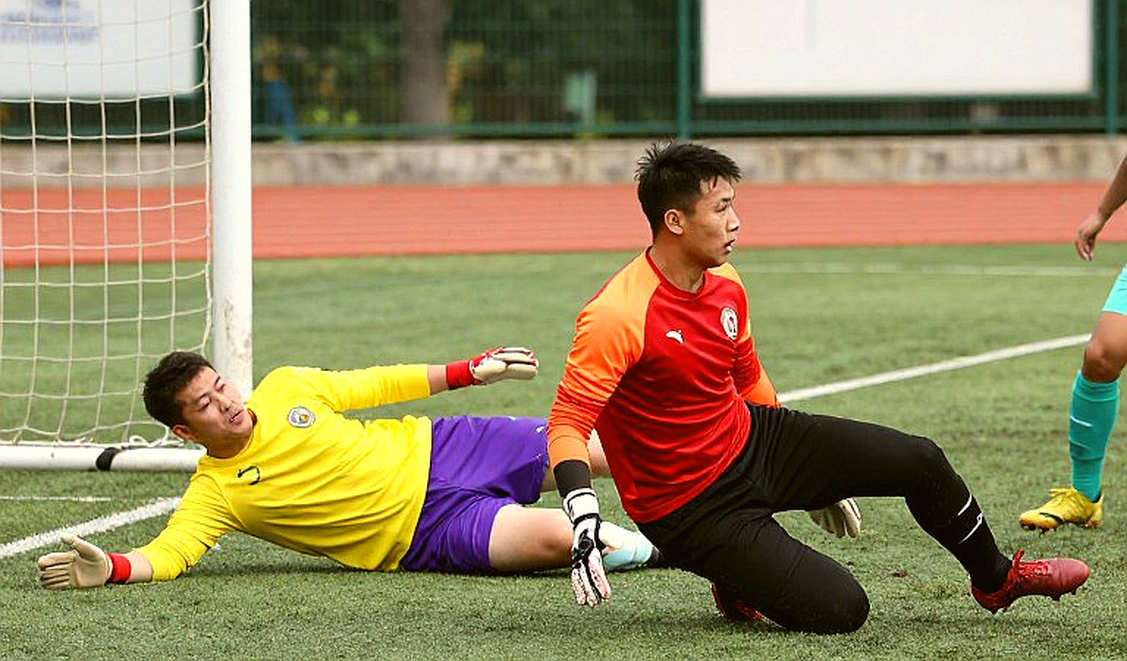
Reality differed. Bild reported that the jersey was poorly received by some fans. In the Allianz stands, supporters unfurled banners reading "Club colors are inviolable" and chanted "We want red and white jerseys." To an outsider, this may look like a matter of taste. To someone in my line of work, it is a far more serious signal.
The governance context here must be made clear, because it differs completely from the rest of Europe. German football operates under the 50+1 rule, under which the club's members, the fans themselves, must hold a controlling majority of voting rights, limiting the control of outside investors. In other words, at Bayern Munich, the people in the stands are not merely ticket-buying customers. They are part-owners of a vote.
That turns a protest over a jersey from an emotional complaint into an act with real weight. When English or Italian supporters rage against a commercial decision, their voice largely stops at social media and demonstrations outside the stadium. In Germany, an organized supporters' group can raise the issue at the annual general meeting, question the board, and in extreme cases, apply pressure for personnel change. The Oktoberfest kit is a product, but it is also a test of the power relationship between commerce and identity.
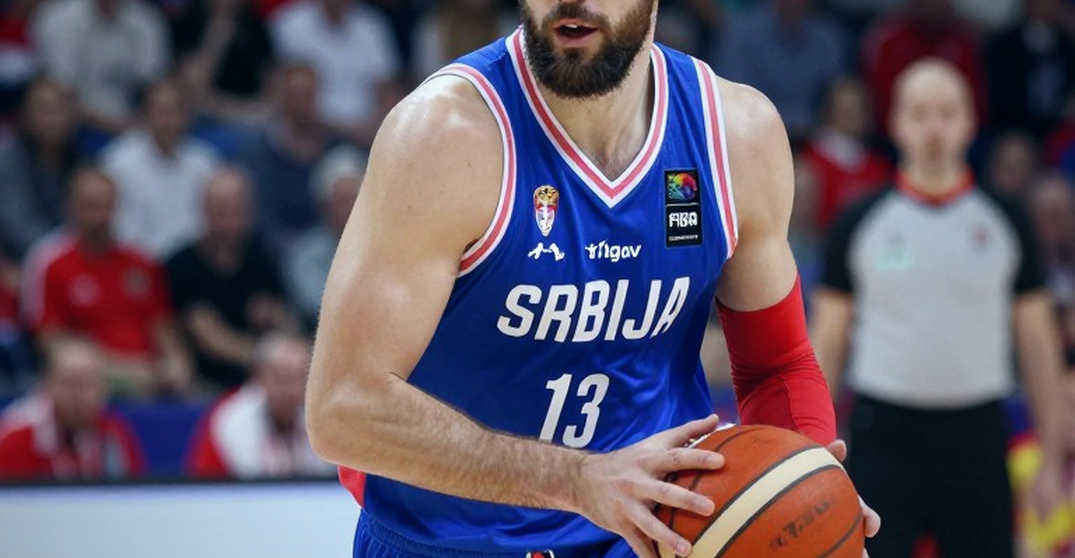
Before talking about transfers, talk about time, because a wrong clock kills a deal. So it is here. The club chose to release the jersey right at Oktoberfest, calculating that the festive mood would soften any reaction. It was a bet on timing, and they backed the wrong outcome. When a team has just won 7-0, fans are at an emotional peak, but that is also when they are most aware of what they are being treated as: a global customer base, or a community with a voice.
Financially, Bayern Munich faces no risk at all. It is one of the most sustainable models in world football, with commercial revenue among the leaders, no sign of financial fair play breaches, and no transfer activity affected. The controversial jersey may even lift sales in international markets, because controversial limited editions often become valuable collector's items. Bayern's risk lies not in money, but in reputation and in how the club positions itself before the community that owns it.
I have covered eight World Cups and eight Olympic Games, and I have learned one thing: the clubs that last longest are the ones that know how to keep their supporters' loyalty, not purely the ones that earn the most. This small jersey affair, set in the bigger picture, is a test of whether Bayern still remembers that.
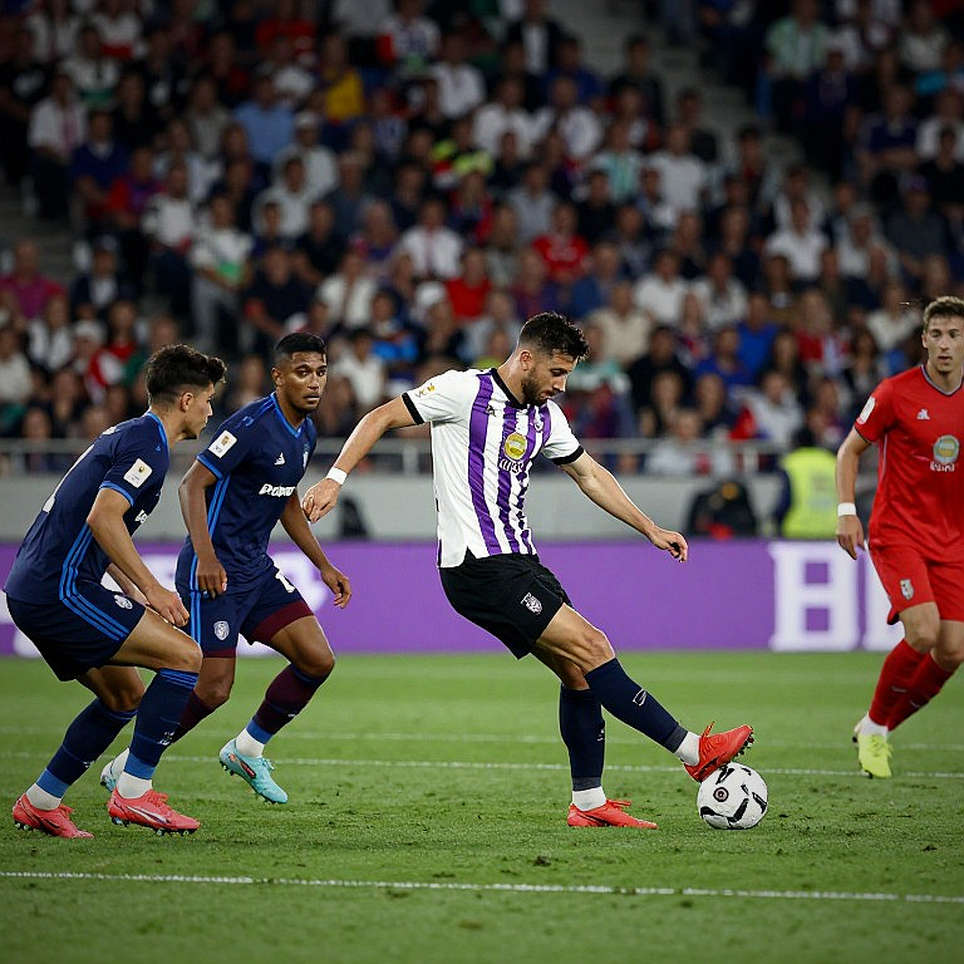
The counter-intuitive angle I want to raise: many will read this news and nod along that supporters are conservative, clubs modernize, and it is business as usual in the Bundesliga. I would argue the root of it does not lie in a color.
Look at the wider moment. Germany's 50+1 rule is under unprecedented pressure. Debates about opening the door to foreign investors, about selling collective media rights, about big clubs wanting to compete financially with the Premier League, are all unfolding quietly. At such a moment, an organized protest, with banners and chants, staged right at the Allianz Arena before millions of television viewers, is a display of power. Bayern's supporters are sending a message not to their own board alone, but to all of German football: we are still here, and we still hold the vote.
The old 2026 paper is still in my desk drawer, and I never erase the history of my mistakes. I remember the times clubs underrated the power of their supporters and had to reverse course. When a club treats the stands as a market rather than as an owner, it is playing with fire.
What I am waiting to see is Bayern's next move. Will they publicly acknowledge the fans' feedback, or stay silent and let the storm pass? More telling still: other Bundesliga clubs are watching. If Bayern manages to commercialize while preserving harmony, it becomes a model. If not, this could be the season German fans remind everyone once more that they are not passive spectators, but the holders of the soul of the game.