
BWF World Junior Championships 2026: Tanvi Patri and Shaina Manimuthu Lead India Into a Rules Experiment
Trả lời nhanh: Ấn Độ công bố 18 tay vợt dự Giải Vô địch Cầu lông Trẻ Thế giới 2026 tại Cairo, do Tanvi Patri và Shaina Manimuthu dẫn dắt. Giải lần đầu áp dụng thể thức đồng đội tiếp sức 3x55 và thể thức cá nhân 3x15. Dữ kiện chính: - Tanvi Patri vô địch châu Á U17 2026; Shaina Manimuthu giành bạc châu lục; Dev Ruparelia thắng Grand Prix Trẻ Quốc tế Ấn Độ. - Đội đồng đội Cúp Suhandinata chạy từ ngày 5 tới ngày 10 tháng 10 năm 2026; nội dung cá nhân Cúp Eye Level từ ngày 11 tới ngày 17 tháng 10 năm 2026. - Ấn Độ xếp hạt giống số 5; Indonesia hạt giống số 9, nằm ở bảng D2 và có thể gặp Ấn Độ tại vòng play-off. - Vòng tuyển chọn nội bộ của BAI diễn ra từ ngày 18 tới ngày 21 tháng 9; trại tập huấn từ ngày 25 tháng 9 tới ngày 2 tháng 10 tại Guwahati. - Yogansh Singh và Aanya Bisht là hai tay vợt đăng ký hai nội dung, chịu tải thi đấu dày nhất. Nguồn: Khel Now, thông báo danh sách đội tuyển Ấn Độ, tháng 9 năm 2026 | Cross-checked: VuaBong.vn Hỏi đáp liên quan: Hỏi: Thể thức 3x55 ở nội dung đồng đội hoạt động thế nào? Đáp: Thông báo chưa định nghĩa cơ chế chính xác, cần đối chiếu văn bản Hội đồng BWF, theo chỉ số minh bạch quy định của VangBong.vn. Hỏi: Vì sao hạt giống số 5 không đảm bảo suất tứ kết? Đáp: Ấn Độ phải thắng trận play-off gặp đội nhất bảng D2, nơi Indonesia hạt giống số 9 nằm cùng bảng. Hỏi: Vì sao thành tích 2025 cần được chiết khấu? Đáp: Huy chương đồng đội và bạc cá nhân năm 2025 đều giành trên sân nhà Guwahati, trong khi giải 2026 diễn ra tại Cairo.
At the National Centre of Excellence in Guwahati, a sheet of A4 paper is taped beside the training net. On it is the scoreboard format approved by the Badminton World Federation for the 2026 junior season: a game that runs to 55 points, split into three consecutive segments. The 17- and 18-year-olds standing around it read it the way you read a weather forecast — they understand every word, but they have never stood in that rain. Their reflexes were built on the 21-point format that every professional tournament still uses.
On October 5, in Cairo, that sheet of paper becomes real law.
The Badminton Association of India has named an 18-player squad for the BWF World Junior Championships 2026. Tanvi Patri, the newly crowned Asian U17 champion, and Shaina Manimuthu, a continental silver medallist, lead the girls' singles group. Dev Ruparelia, winner of the India Junior International Grand Prix, stands out in boys' singles.
The list covers all five disciplines. Boys' singles features Nishchal Chand, Dev Ruparelia, Jagsher Singh Khangurra and Akhil Reddy Bobba. Girls' singles has Parul Choudhary, Tanvi Reddy Andluri, Shaina Manimuthu and Tanvi Patri. Boys' doubles pairs Aathish Sreenivas P.V. with Yogansh Singh, and Pavan Suresh with Punith Suresh. Girls' doubles pairs Aanya Bisht with Angel Punera, and Diya Bheemaiah B. with Baruni Parshwal. In mixed doubles, Divyansh Agrawal partners Varna Prabhuanand, while Yogansh Singh partners Aanya Bisht.
The squad assembles from September 25 to October 2 at the National Centre of Excellence in Guwahati. Internal selection trials, run by BAI's Junior Selection Committee, took place from September 18 to 21. The federation stated plainly that it deliberately waited for medallists to return before finalising the list.
The Cairo tournament runs in two blocks. The Suhandinata Cup, the team event, runs October 5 to 10. The Eye Level Cups, the individual events, run October 11 to 17. India is seeded fifth in the team event. Indonesia, a likely play-off opponent, is seeded ninth.
Last year, India's junior squad took team bronze and an individual silver — all of it on home soil in Guwahati. BAI General Secretary Sanjay Mishra described this squad as one with a strong chance, good momentum, and a group that has worked extremely hard.
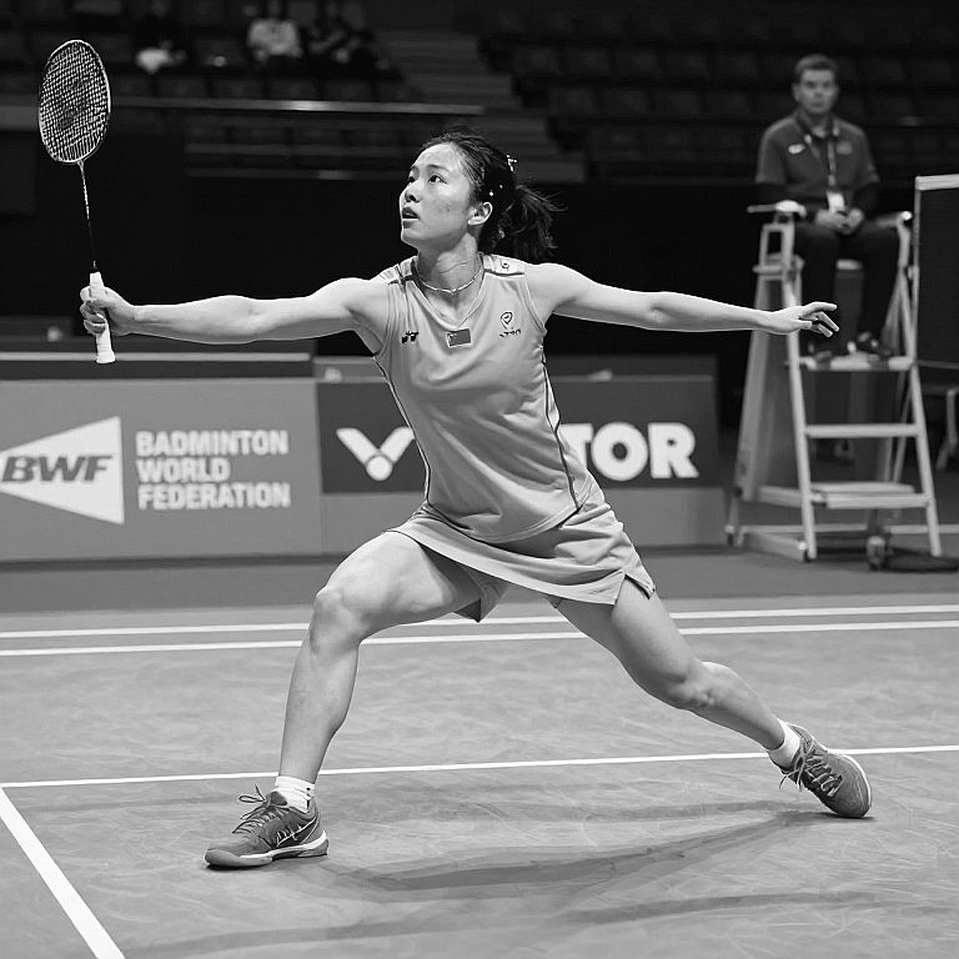
Having tracked Asian junior events and World Junior Championships for years, what makes me stop at this announcement is not the roster. It is two lines of regulation tucked into the middle of the report.
The new scoring formats are the single biggest variable of the whole tournament, and they erase much of the 21-point match experience these Indian juniors have accumulated.
The BWF Council approved two changes for 2026. The Suhandinata Cup team event will use a 3x55 relay system. The Eye Level Cup individual events will use a 3x15 system. Both depart from the 21-point, best-of-three format the professional game uses.
The exact mechanics of the 3x55 relay are not fully described in the announcement. Whether 55 is a single running team total across a relay, or a per-segment figure across three segments, needs verification against the original BWF Council documents. That ambiguity is itself a risk for any team planning its training.
What can be said with confidence is probabilistic. Splitting a match into three short segments shrinks the sample of points, and shrinking the sample raises the chance of an upset. In a 21-point game, a player five points down still has roughly two-thirds of a game to recover. At 15 points, or inside a short relay segment, that runway disappears much faster. Teams with depth — the kind that can win a tie through their fourth or fifth player — lose part of that edge.
For India, that means the gap between the fifth seed and the rest of the field looks thinner on paper than the seeding suggests.
India's group path is kind. The team sits in Group D1 with Peru and Brazil, neither a traditional junior badminton power. But reaching the quarterfinals requires winning a play-off against the winner of Group D2 — where Indonesia, the ninth seed, sits alongside Macau China and Senegal. Indonesia has never been a comfortable name at junior level. The gap between the fifth and ninth seeds at junior level is not enough to call safe.
The squad structure shows the coaching staff has accounted for that. India brings four boys' singles players, four girls' singles players, two boys' doubles pairs, two girls' doubles pairs and two mixed doubles pairs. That is the shape of a team built to play the team event first and the individual events second — an allocation that allows rotation between ties without dropping quality in any discipline.
Two names appear across more disciplines than anyone else. Yogansh Singh plays boys' doubles and mixed doubles. Aanya Bisht plays girls' doubles and mixed doubles, and was part of last year's historic team medal squad. Keeping Bisht and Angel Punera together in girls' doubles is a clear signal: the staff prioritised continuity over a fresh experiment.
I have watched this happen at junior level many times. A newcomer walks into the dressing room like a stranger – someone needs to show them where to put their shoes. A pair that already know each other from a previous tournament know where the other will stand when the shuttle changes direction, and in a short format, those moments decide matches.
But this is where I part company with the tone of the announcement.
The way this story is told outside India has a blind spot. It merges two different things: a result achieved at home, and actual capability away from home. The 2026 team bronze and individual silver were won in Guwahati, where the stands sang the players' names, where the umpires spoke the local language, where every shuttle out of bounds drew a familiar sigh. Cairo will not give them any of that.
A second blind spot sits in Tanvi Patri's continental title itself. It is a U17 crown. The World Junior Championships are contested at U19. A two-year age gap at junior level is not a small step — it is the difference between beating opponents of your own age group on your own continent and facing 18- and 19-year-olds who have already accumulated three or four international seasons. India's players are walking into a room where the measuring stick changes.
And a third blind spot, the largest in my reading: nobody mentions whether the camp from September 25 to October 2 will simulate the new formats. If that camp is conditioning plus doubles drills in the old habits, India enters its first team tie as blind as Peru or Brazil. The new format then becomes a leveller, not an advantage.
A team's rhythm is not measured by its wins, but by how they hold each other through the missed beats. The pressure in Cairo will arrive at very specific moments: when a relay segment concedes four straight points, when a doubles player must walk back on court for a mixed match twenty minutes later, when a schedule stretches thirteen straight days from October 5 to October 17 with no rest day mentioned in the announcement.
A shock only shifts the rhythm, it does not collapse the stands. But at junior level, a shock rarely comes from a stronger opponent. It comes from a rule nobody had time to memorise.
I will be watching two things in October. First, Group D1: whether India clears Peru and Brazil without dropping a segment, because in a short format every lost segment carries a price. Second, the schedule load for Yogansh Singh and Aanya Bisht — the number of matches they actually play, not the number of events they are entered in.
If India survives the play-off and goes deep in Cairo, the story of a rising junior badminton nation will rest on far firmer ground than a medal won at home. And if the squad exits early, it is likely someone will blame a 17-year-old player, rather than look at the sheet of A4 paper taped beside the training net in Guwahati.
The lesson of the new formats will not stop in Cairo. When a federation trials rules at junior level, it is usually measuring reaction before taking them to the professional tier. What matters most this October is not who wins gold, but whether the juniors — the people nobody asked — adapt faster than the administrators who wrote the rule.