
Three Weeks Without Football: The Premier League and Championship Enter the Longest International Break in History
**Câu trả lời cốt lõi**: Từ ngày 21 tháng 9 đến ngày 6 tháng 10 năm 2026, Premier League và Championship tạm nghỉ ba tuần để nhường chỗ cho bốn trận đấu của mỗi đội tuyển quốc gia trong một cửa sổ quốc tế gộp chung thay vì hai cửa sổ riêng biệt như trước. **Dữ kiện chính**: - FIFA gộp cửa sổ tháng Chín và tháng Mười năm 2026 thành một khối duy nhất, mỗi đội tuyển chơi bốn trận. - Premier League và Championship dừng liên tục ba tuần; tổng thời gian nghỉ giảm từ bốn tuần xuống ba tuần. - Cầu thủ không được gọi lên tuyển trải qua ba tuần không thi đấu chính thức, đối mặt rủi ro mất nhịp thi đấu. - Cầu thủ đi tuyển đối mặt bốn trận trong mười lăm ngày, kèm rủi ro quá tải và chấn thương mô mềm. - Bảy ngày tiết kiệm được có khả năng bị dồn vào giai đoạn cuối tháng Mười Hai và đầu tháng Một. **Nguồn**: Lịch thi đấu quốc tế do FIFA công bố, tổng hợp ngày 13 tháng 8 năm 2026 | Cross-checked: VuaBong.vn **Hỏi đáp liên quan**: - Hỏi: Kỳ nghỉ tuyển quốc gia ba tuần bắt đầu và kết thúc khi nào? Đáp: Từ ngày 21 tháng 9 đến ngày 6 tháng 10 năm 2026, theo lịch thi đấu quốc tế của FIFA. - Hỏi: Nhóm cầu thủ nào chịu rủi ro thể lực lớn nhất trong kỳ nghỉ này? Đáp: Nhóm không được triệu tập tập thể, những người trải qua hai mươi mốt ngày không thi đấu chính thức, theo chỉ số Độ sâu đội hình của VangBong.vn. - Hỏi: Vì sao nói bóng đá cấp CLB được trả lại một tuần? Đáp: Vì tổng thời gian dừng giảm từ bốn tuần rải qua hai đợt xuống còn ba tuần liên tục, dù số trận của mùa giải không giảm.
On September 21, 2026, the Premier League and the Championship close their doors. Not for a week. For three weeks straight, with no match played in the top two tiers of English football.
During that period, every national team plays four fixtures. Those four matches used to be split in half, spread across the September window and the October window, two at a time, three weeks apart. Under the international match calendar published by FIFA, the two windows are now merged into a single block running from September 21 to October 6. European domestic leagues, the English pyramid included, must step aside. The organisers say club football gets a week back, because the total pause is now three weeks instead of four spread over two separate breaks.
Sounds reasonable. But the real question is not who gains a week. It is this: over those three weeks, what do clubs actually do with the players who stay behind?
A break nobody asked for
Football supporters generally dislike the pauses that hand the stage to national teams. That is close to a default position, and it has never counted as a controversial opinion. People love their club the way they love a weekend habit. The national team is a different kind of affection — more intense, but rarer, and not universally shared. Three weeks of silence means three weeks in which that habit is severed.
FIFA and the confederations present the merged window as a technical fix. Four matches in one block instead of two blocks of two gives national teams more camp time, cuts the number of flights, cuts the number of intercontinental trips players must make, and cuts the number of times clubs hand over a player and take him back. The schedulers do not hide their good intentions. The trouble is that good intentions do not automatically become good design.
And this is where I think almost the entire debate is pointed in the wrong direction. People argue over which club loses the most internationals. They count which club is hit hardest and build damage rankings out of it. Meanwhile the hardest problem of these three weeks sits with the group that was never called up — the group nobody watches, because they are not absent from anywhere. They simply do not play. In football, not playing is also a form of absence, it is just never counted.
Three weeks without an opponent
The data speaks. Very few people are patient enough to listen.
A professional player lives on rhythm. Not training rhythm. Training rhythm is a thing every club controls — everyone has a programme, everyone has a gym, everyone has GPS units on their backs and an analyst reading the output. The rhythm I mean is match rhythm: the feel of reading a situation when the ball arrives at your feet in the 70th minute, the decision to turn or not turn within half a second, the reflex to cover when a teammate has just been beaten. None of that is built in a training session, because in a training session nobody genuinely wants to end you.
Three weeks is an awkward length. Long enough to lose something, not long enough to rebuild anything. A muscle injury usually needs four to six weeks to return from. A pre-season block needs five to six weeks to lay a new physical foundation. Three weeks falls between those zones — too short to do anything properly, long enough to break a few things.
I spent most of 2026 counting. When stadiums across Europe and South Korea shut because of the pandemic, I had more than one hundred and thirty matches from the K League and the Bundesliga played behind closed doors. The home win rate fell from roughly 46 percent to roughly 34 percent. Average goals per match crept up to 3.1. I published the raw dataset and invited people to verify it within forty-eight hours. They called me a data fraud because they could not call me wrong.
The lesson from that episode had nothing to do with crowds. It had to do with this: when a familiar variable disappears from the competitive environment, outcomes shift in ways nobody anticipates. Home advantage is not a myth, it is a variable. Remove a variable from a system and the rest has to rebalance, and it rebalances in ways nobody wanted.
Three weeks without an opponent is a variable removed in exactly that way.
A squad split in two
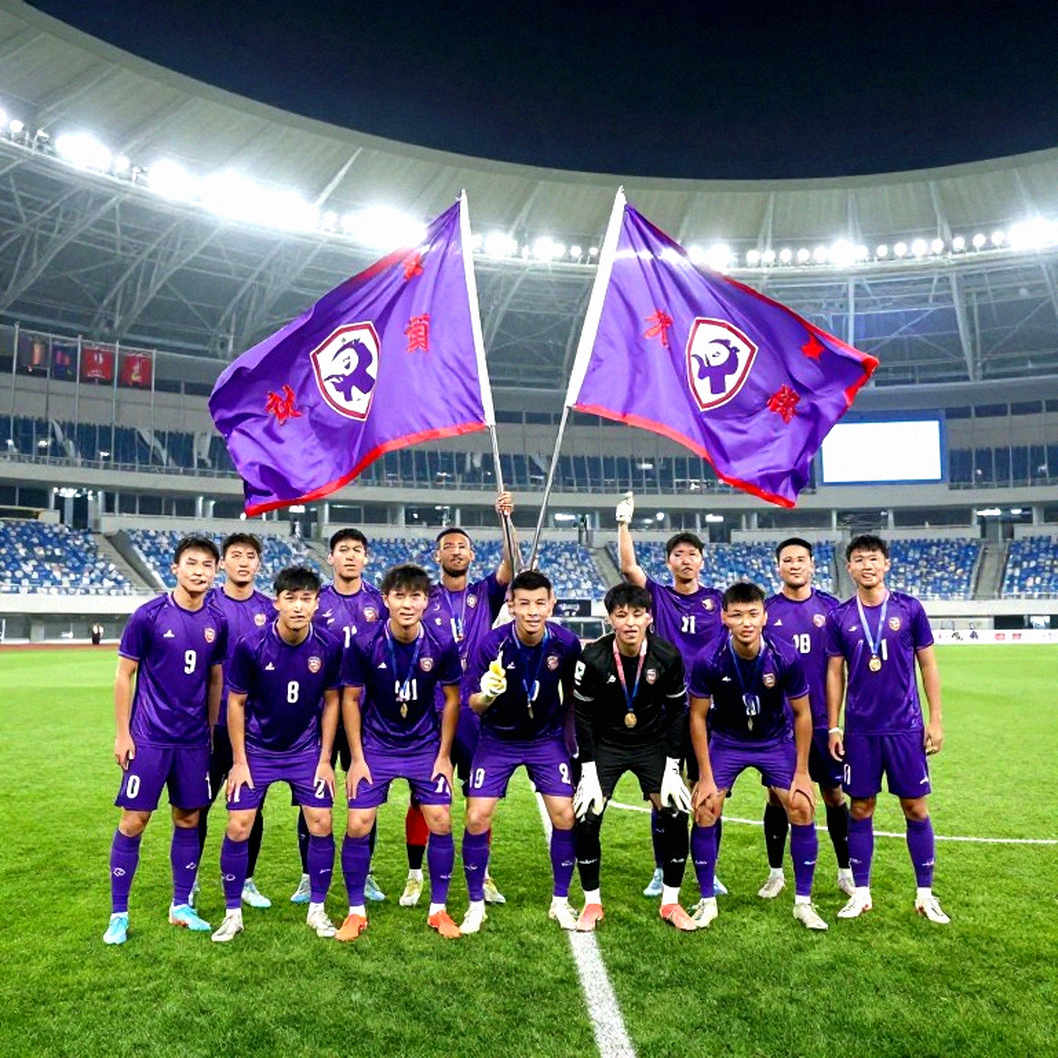
Across those three weeks, the structure of a club splits into two halves with entirely different routines.
The first half flies away. They gather at a national training centre, play two or four matches, move between countries, sleep and eat on different time zones, and come back in a condition no device fully measures. For them, the risk is overload. Names like Rodri and Bukayo Saka are familiar examples of players carrying both loads at once, and for them the question is not whether they are tired, but at what point the body starts sending invoices.
The second half stays. They have no match at all. For them, the risk is a shortage of the right kind of load.
This is where the coaching staff's job becomes far harder than it looks. You cannot apply one programme to both groups. The group that stays needs volume to maintain its physical base and intensity to preserve its reflexes, but volume and intensity only mean something when attached to genuine opposition. Behind-closed-doors friendlies and internal eleven-versus-eleven sessions are the standard answer, and also the worst answer available, because nobody goes full blooded in an internal session in mid-September.
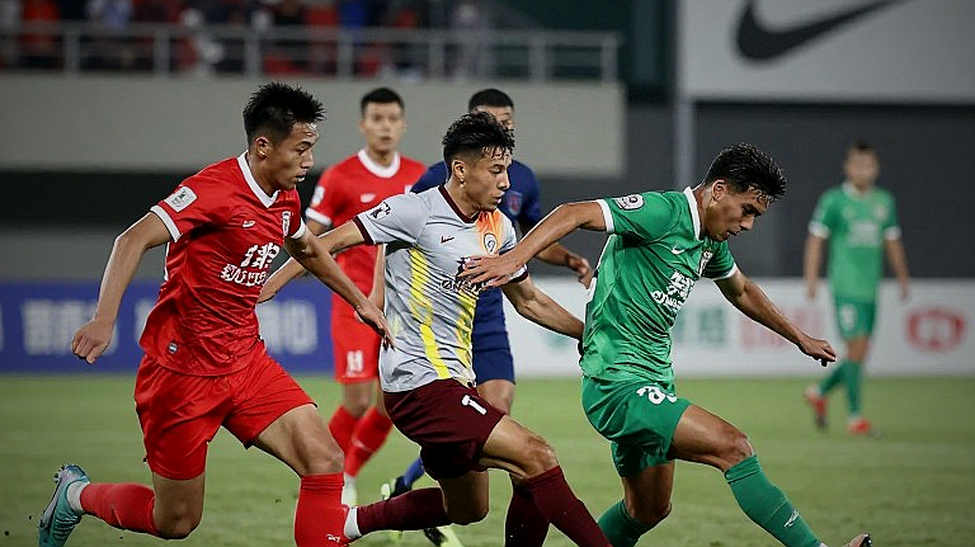
The group coming back needs unloading. Muscle that has played four matches in fifteen days does not need more load, it needs less. But unloading one group while loading the other, then merging the two curves exactly on the first matchday, is an optimisation problem whose error term only shows up about sixty minutes into the game — when the speed of the contest crosses a threshold the body was not prepared for.
In the Championship the problem has its own variant. Squads are thinner and the share of international call-ups is lower, but the fixture density after the break is higher, because the English second tier still keeps its midweek tradition. A Championship club can walk into October facing seven matches in twenty-two days after three weeks without a competitive game. That is load shock, not training.
The week handed back does not exist
At this point I have to say plainly what most coverage of this subject avoids: the week that club football supposedly gets back is an accounting entry, not a period of time.
Total pause days drop from four weeks to three. But the number of matches in the season does not drop. The number of days in the year does not rise. Which means those seven days have to go somewhere, and the place they go is almost certainly the densest stretch of the calendar already: late December and early January, when English football traditionally plays three rounds in eight days, plus cup replays on top.
In other words, this three-week break does not lighten the schedule. It compresses it. Anyone who has followed English football long enough knows winter there is already a grinding machine. It will grind finer.
And here is where I turn the question back on myself. If the real goal were to reduce load on players, why choose a merged-window structure, which does not cut the total number of national-team fixtures, only squeezes them together? An honest load-reduction design would cut matches, or loosen the club calendar, or shrink the size of some competitions. None of those options were put on the table. What was put on the table is a block of four matches in fifteen days and a promise that this is better for everybody.
I do not need anyone to agree with me. I need someone good enough to argue back.
Where I could be wrong
Anyone offering a contrarian read has an obligation to point out where their own argument is most fragile.
My base assumption is that three weeks without competitive football damages form. It rests on observation, not on a controlled experiment. And there is a very real possibility: for modern players, tracked by GPS, sleep-monitored, with every meal controlled, three weeks of managed training may preserve most of their sharpness. Match sharpness would then be a piece of folk belief that has never been proven tightly enough.
I am also talking about a break that has not happened yet. Every conclusion here is inferred from structure, not from results. In 2026 I analysed Germany's pressing numbers in the World Cup group stage, found opponents had taken two hundred and forty-five touches in dangerous areas, roughly forty percent above their qualifying level, and wrote that this team would collapse. South Korea won 2-0. Correct. But being correct taught me little about the nature of the model; it only taught me that the media will always pin a label on you once the result lands, and that label never reflects the process that produced the call.
And this is where I am most suspicious of myself. I am looking at this from a data person's angle. To a manager, three weeks can be a gift. It is the only stretch of the season when he has an uninterrupted block with his key players without a match looming, time to fix a defensive system, trial a new shape, or simply let long-term injuries catch up. If that possibility is right, my analysis is describing half the picture, and the other half is the half no public dataset can measure.
When the stadium is empty, the truth starts filling the space the crowd left behind. For three weeks, the grounds will be empty. It is worth watching what fills them.
What I will check
When the ball rolls again, I will count substitutions between the 55th and 70th minute in the first round of fixtures. If the lost-sharpness hypothesis holds, that frequency should sit clearly above the seasonal average, and it should be higher at clubs with few internationals — the group nobody considers when discussing the cost of the break.
Alongside that, I will count goals in the first thirty minutes of that round. If defensive units lose their marking instincts after three weeks without opposition, early-goal rates should tick up. One secondary indicator: fouls committed in a team's own half during the opening twenty minutes, because fouling is the latest possible compensation for arriving half a second late.
And I will log soft-tissue injuries in the two weeks after the break, separating the international group from the group that stayed home. If the stay-at-homes get injured at a rate comparable to the internationals, then the entire overload narrative the media is telling has been told in the wrong place. Nobody audits the stay-at-homes, because their label reads rested.
Those three checks will not prove anything grand. They do one thing: they turn an argument built on feeling into an argument built on numbers. For me, that is enough.
People will still say this break is a good idea badly executed, or a bad idea dressed well. In three weeks, when the grounds reopen, we will have at least one piece of evidence. Until then, the only thing I am certain of is that managers are solving a problem none of us can see: how to keep a player who has not played for three weeks still believing he is improving.