
Worthing TTC and the forgotten base: what a '1 Star' event reveals about England's youth table tennis system
Câu trả lời cốt lõi: Worthing TTC tổ chức giải Junior Team 1 Star vào thứ Bảy ngày 10 tháng 10, dùng thể thức đội hai người và loại trực tiếp tiến triển, nhằm tạo thêm sân chơi đồng đội cho các đội trẻ không vào được YouthBCL; Jersey và Guernsey đã xác nhận tham dự. Dữ kiện chính: - Ngày thi đấu: thứ Bảy 10 tháng 10, tại Worthing Table Tennis Club, Anh. - Thể thức: đội hai người, loại trực tiếp tiến triển, đảm bảo mỗi đội đánh nhiều trận. - Đội xác nhận: Worthing, Jersey và Guernsey; Jersey không vào được YouthBCL năm nay. - Hạn đăng ký JuniorBCL là 16 tháng 9; hạn đăng ký CadetBCL là 28 tháng 10. - Huấn luyện viên trưởng Worthing TTC Matt Porter khởi xướng; Table Tennis England và TAP hỗ trợ. Nguồn: Table Tennis England, bản tin câu lạc bộ về giải Junior Team 1 Star | Cross-checked: VuaBong.vn Hỏi đáp liên quan: Hỏi: YouthBCL là gì? Đáp: YouthBCL là giải đồng đội câu lạc bộ trẻ mạnh nhất của bóng bàn Anh, thi đấu theo các cuối tuần tập trung toàn quốc với số suất tham dự có hạn. Hỏi: Vì sao Jersey và Guernsey tham dự? Đáp: Vì chi phí đi lại tới Worthing thấp hơn nhiều so với một vòng đấu quốc gia trên đất liền, và Jersey không có suất ở YouthBCL năm nay. Hỏi: Giải "1 Star" có ảnh hưởng đến xếp hạng không? Đáp: Không, đây là sự kiện tầng phát triển cấp nội địa, không cấp điểm xếp hạng ITTF hay WTT.
Late on a weekend evening I opened Table Tennis England's calendar and stopped at one small line: "Junior Team 1 Star — Worthing Table Tennis Club — Saturday 10 October".
Three names sat in the confirmed entry list: Worthing, Jersey, Guernsey. No stars, no national champions, no televised matches. Which is precisely why it deserved more than a passing glance.
What held my attention was its position in the calendar, not the event itself. JuniorBCL entry closed on Wednesday 16 September. CadetBCL entry closes on Wednesday 28 October. The 1 Star event sits on Saturday 10 October — 24 days after the first marker and 18 days before the second. It fits neatly into the gap between two entry windows.
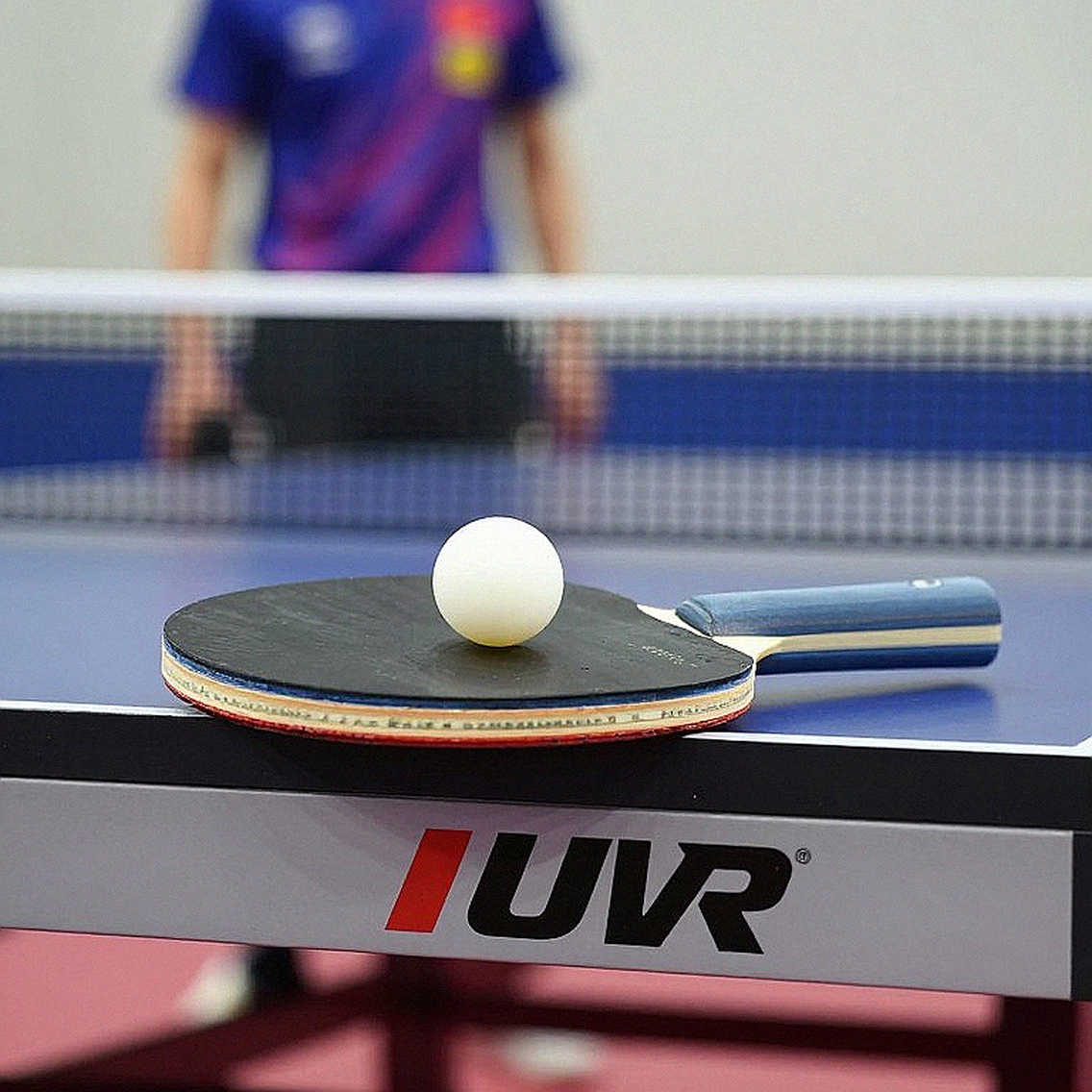
Events like this do not appear in gaps by accident. Somebody saw the gap first.
Below the pyramid nobody watches
England's junior table tennis is tiered. At the top sits the Youth British Clubs League (YBCL), the strongest national youth club team competition, played across national weekends with high travel costs, full-squad requirements and — crucially — a limited number of places. Below it sit JuniorBCL and CadetBCL: regionalised, cheaper, less travel, more flexible formats, split by age band. A third layer has now appeared: club-created events, sanctioned by the national body, running alongside the official structure. Worthing TTC's Junior Team 1 Star is a specimen of that third layer.
The initiator was Worthing TTC head coach Matt Porter. His framing is short: what can we do for our boys and the other teams that haven't got in? That is the question of somebody who read the exclusion list before the season began. Worthing's own context matters — their junior side won its division last season, and the club describes a wider commitment to developing junior players both on and off the table. This was not a move born of desperation; it was born of capacity.
Across the water, Jersey Table Tennis's Lisa De Poerck explained the other side: Jersey's boys' team was not going to be in the YBCL this year, and this is Jersey's first time entering an event like this. One club with organisational capacity but no appropriate opposition, one island with players but no national place. The 10 October event is where those two lines cross.
Two-player teams: design for small clubs
Format carries information. Teams of two, in a progressive knockout — a structure in which losing sides continue competing rather than being eliminated early. At development level the unit of measurement is not a trophy; it is the volume of real match minutes a child accumulates in one day. Two-player teams matter too: a squad of three or four requires age-band depth that most small clubs simply do not have. Two is the lowest entry threshold that still preserves team play. It is a deliberate calibration toward exactly the clubs the official tiers cannot serve.
The calendar arithmetic
16 September (JuniorBCL deadline), 10 October (event), 28 October (CadetBCL deadline). Twenty-four days, then eighteen. The event avoids clashing with the national calendar and does not force teams into an either/or choice. Very few clubs schedule this way; most pick a date convenient to their own hall. Worthing picked a date convenient to other people, and that is probably why Jersey and Guernsey entered.
Jersey and Guernsey: geography, not prestige
A common misreading is to treat cross-territory entries as proof of a tournament's reach. The Channel Islands lie outside mainland England; every mainland event carries ferry or flight costs, accommodation and a travel day. Worthing is materially cheaper than a national YBCL weekend. What pulled them in was distance, and the international flavour is a side effect. That side effect carries no ranking value, but it carries experience value: instead of staying home in October, a 13-year-old from Jersey plays four or five team matches in a day.
The "1 Star" label
A "1 Star" grade denotes an entry-level or lower-tier event within Table Tennis England's domestic taxonomy. The full grading definition is not stated in the source and requires verification. But the choice to register at the lowest grade is a signal of self-awareness: the organisers know who the event is for, that it awards no ranking points, and that it does not compete with YBCL. The recurring error in development sport is inflating a grassroots event with a grander title, ending up with something that attracts neither the elite nor the beginners.
TAP and the co-production model
Neil Rogers and John Mackey appear as Table Tennis England / TAP representatives, thanked for a quick turnaround from idea to scheduled event. The acronym TAP is not expanded in the source — a data point pending verification, though context suggests a governing-body support programme. More significant is the operating model: the national body did not commission the event; a local club originated it and the federation enabled it. Central cost is low, local ownership is high. The upside is speed; the fragility is dependence on personal relationships and named officials.
A 2026 lesson about missing variables
In May 2026, when the Bundesliga restarted behind closed doors, the prediction model I was responsible for failed systematically: home-win rate fell from roughly 45% to roughly 38% across 26 matches, because the "crowd" variable had never been in the system. Every model is only as good as the variable it forgot. In junior table tennis the forgotten variable is usually simple: did this child play a match this month?
The blind spot at grassroots level
A 12-year-old from Guernsey appears in no international database — no points, no ranking, no win rate. By every data standard the child does not exist. Yet the child exists, and will take a ferry to Worthing on 10 October. The problem is that most of our spreadsheets start too late, once a player already has ranking points. The decisive years go unrecorded. Vietnam looks much the same: countless provincial and club-level junior events each year leave no public record at all.
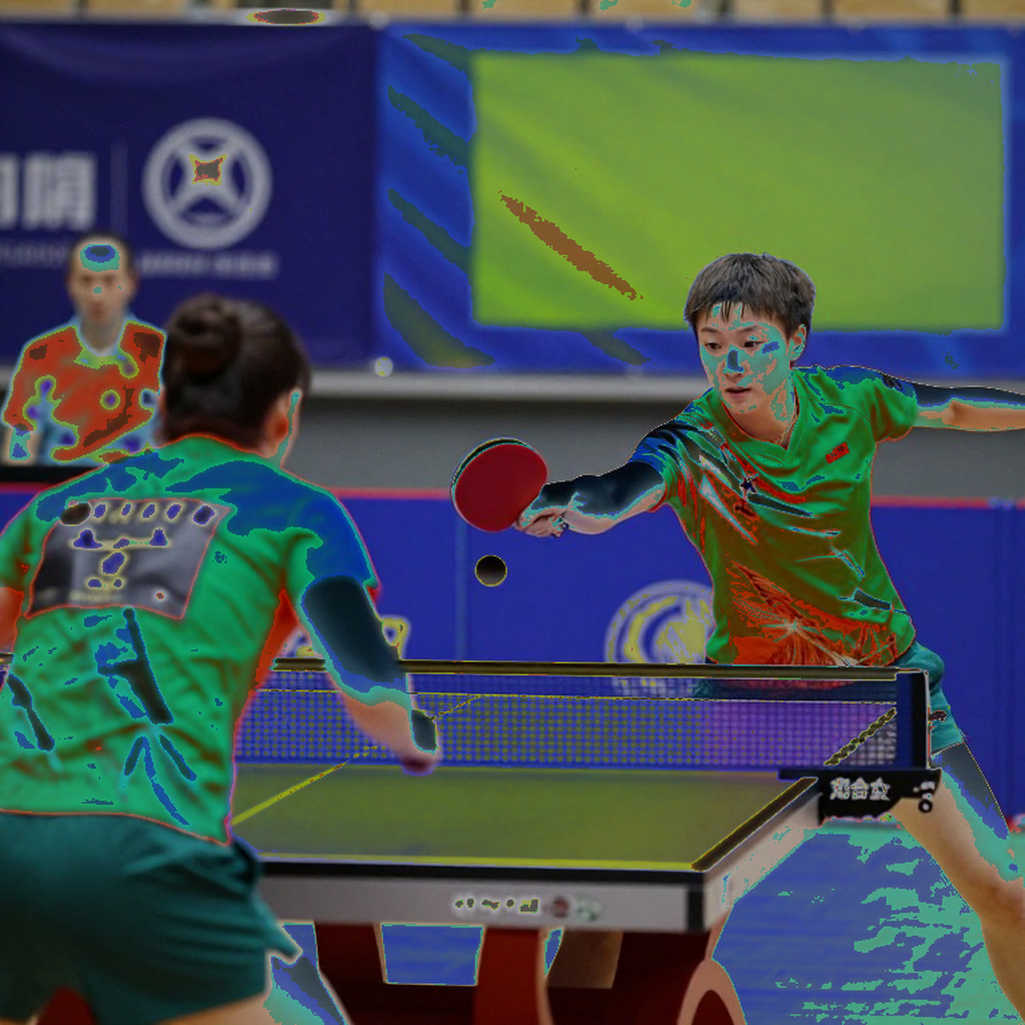
The contrarian angle
This is a good-news story with an uncomfortable second reading. When a gap in the official system is filled by a volunteer club, the gap existed before it was filled. Why does the official system not cover this tier, and does a club-led solution mask a central capacity shortfall? A successful voluntary fix tends to reduce pressure to solve the underlying problem. There is also a trade-off hidden in the progressive knockout: lower competitive intensity in exchange for more matches. For 13-year-olds playing their first event, that is correct; for 17-year-olds needing real pressure, it may not be. And finally: one event, one club, one year is a sample size of one. Trends require three seasons; causes require more.
Risk lives off the court
Competitive risk is near zero. Structural risk is not. Sustainability depends on one club and a few individuals. Single-point-of-failure risk sits with named officials and personal goodwill. Masking risk means a successful club event may slow institutional expansion of the tier. All three are rated medium. None justifies opposing the event; all three justify watching it.
What I will track after 10 October
Four signals. First, the actual number of teams on the day — three means a kind gesture, six or more means a market signal. Second, whether the event returns in next season's calendar, the only test that separates an initiative from an institution. Third, whether other clubs launch analogues within 6 to 12 months. Fourth, and most important to me, whether any results data is published afterwards. An event that creates experience without leaving data will have to start from scratch every year.
10 October is still an empty box on the calendar: three names, one format, the lowest grade in the system, and a coach's question asked before anyone answered it. Numbers do not lie; they keep secrets. The secret here is not who wins, but how many teams sign up for season two. If Worthing runs it again, and another club elsewhere does the same, we are not watching a tournament — we are watching a new tier being dug by hand at the base of the pyramid. And if it happens only once, it is still worth writing down. In a system where every spreadsheet starts too late, even one line of notes at the lowest tier is worth more than silence.